Can I Take Dog or Cat Food from the UK to France?
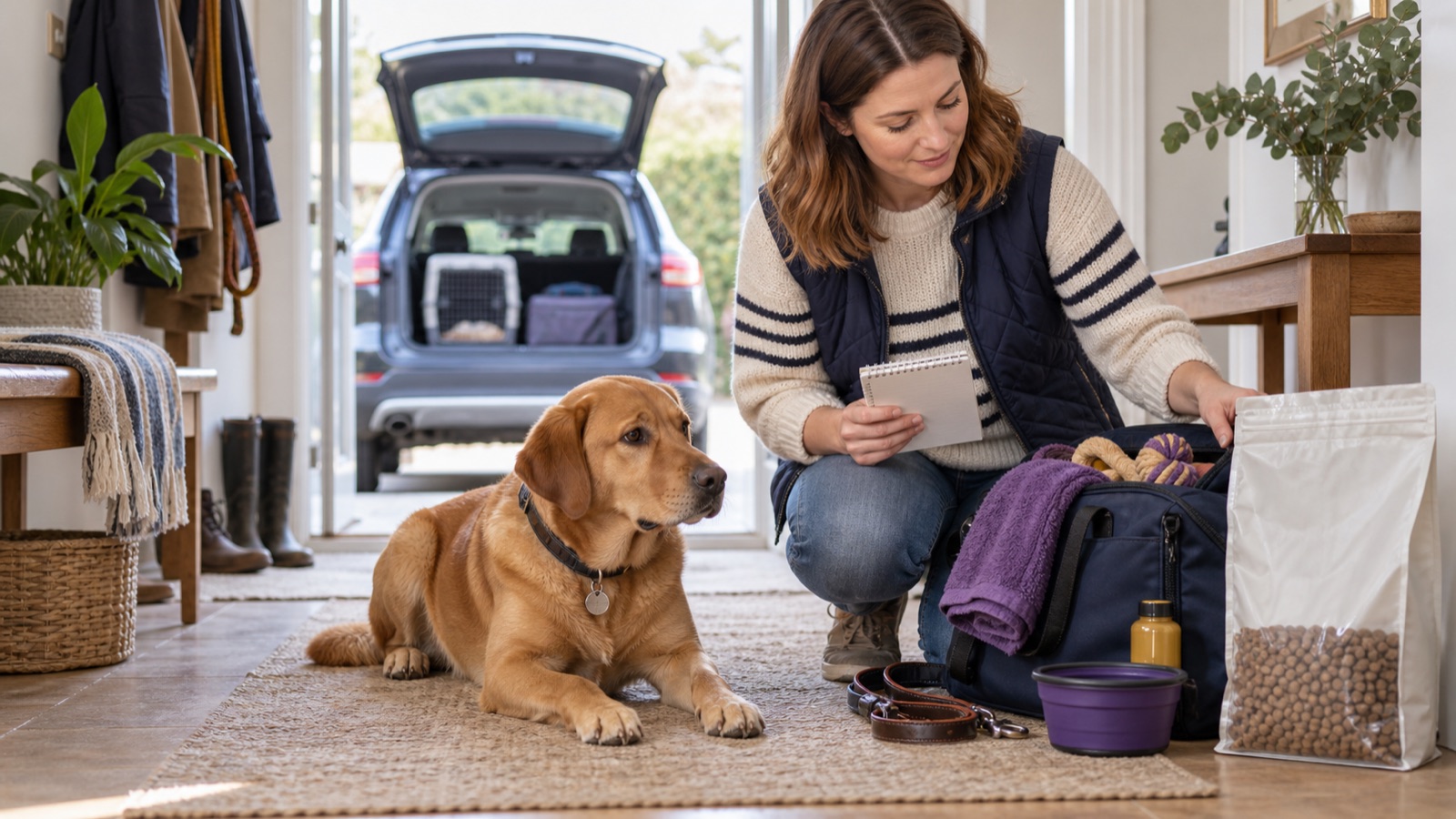
Can you take dog or cat food from Great Britain to France? Learn why ingredients matter and when the limited medical-food exception may apply.
You should not take ordinary dog or cat food containing meat, milk or products made from them from Great Britain into France. This can include wet food, dry kibble, treats and chews. It is the ingredients—not whether the product is sealed, dry or sold as pet food—that matter.
There is a limited exception for special pet food required for health-related reasons. From Great Britain, the amount must not exceed 2kg and the food must meet several packaging and storage conditions. Ordinary food does not become “medical” simply because your dog or cat prefers it, normally eats it or has a sensitive stomach.
The simplest plan for most holidays is to identify a suitable food sold in France and buy it after entering the EU.
What happens in practice versus what the rules say
Let us be realistic: many owners travel with the food their dog or cat normally eats. In public travel discussions, people commonly say they carried sealed kibble, tins, pouches or treats and were not questioned about them. Others plan around a familiar diet because changing food can upset an animal or because a particular product is difficult to find abroad.
Those accounts describe individual journeys; they do not establish what is permitted. Not being asked about food on one crossing is not an exemption, and another traveller’s experience is not a guarantee that your luggage or vehicle will be treated the same way.
Our role is to separate those two things clearly:
- In practice: some travellers take familiar pet food and report encountering no check or challenge.
- Under the published rules: ordinary pet food containing meat, milk or products made from them should not be brought from Great Britain into the EU unless a relevant exception applies.
What you decide to pack is your responsibility. We are not here to pretend every traveller behaves identically or that every arrival is inspected in the same way. We are here to tell you what the official rules permit, what the limited exception requires and how to plan a compliant alternative. We do not recommend hiding food, failing to declare restricted goods when required or treating a previous uneventful crossing as permission.
Why is ordinary dog or cat food restricted?
Great Britain is treated as a non-EU country for these personal-import rules. The European Commission says travellers entering the EU generally cannot carry meat, milk or products made from them in their personal luggage.
The purpose is animal-disease control. Products of animal origin can carry pathogens even when they are packaged for retail sale.
French Customs applies these EU rules at the border. Its guidance for travellers arriving from the UK specifically identifies the prohibition on meat, meat products, milk and milk products, while recognising the limited exception for special pet food needed for health reasons.
These food rules are separate from your pet’s microchip, rabies vaccination and Animal Health Certificate. Having correct pet-travel paperwork does not create an exemption for food carried in your car or luggage.
Does the rule include dry food, treats and cat-food pouches?
Potentially, yes. “Dry” does not mean “permitted.” Many bags of dog or cat kibble, biscuits, training treats, dental chews and cat treats contain meat, animal derivatives, milk or milk products. Wet cat-food tins and pouches commonly contain animal products too.
Check the full ingredient list rather than relying on the product name or front of the packet. Examples that may bring a product within the restrictions include:
- meat or meat meal
- poultry or poultry derivatives
- animal proteins or animal derivatives
- milk, whey, cheese or other dairy ingredients
- meat-filled or meat-coated treats
Do not assume that a sealed factory bag, a small quantity or food intended only for the journey is automatically allowed. The general prohibition is not replaced by a personal-use allowance for ordinary meat- or dairy-containing pet food from Great Britain.
If the ingredients are unclear, ask French Customs before travel or choose the lower-risk option of buying food after arrival.
What about plant-based pet food?
Food containing no meat, milk or other controlled animal products may fall outside the specific meat-and-dairy prohibition, but the label “vegan” should not be treated as a border guarantee. Ingredients, processing and other import controls still matter.
If you intend to carry a plant-based product, keep it in its original labelled retail packaging and check it with the authority responsible for the country where you first enter the EU. Do not decant it into an unlabelled container before crossing the border.
Any significant diet change must also be appropriate for the individual animal. This is especially important for cats, whose nutritional needs differ from dogs and should not be improvised for the sake of border convenience. Speak to your vet before changing a dog or cat’s diet, particularly where medical or nutritional needs are involved.
Is there an exception for prescription or medical pet food?
Yes, but it is narrow. The European Commission permits special pet feed required for health-related reasons when a pet accompanies the passenger, provided the food:
- totals no more than 2kg
- is needed for the accompanying pet’s health
- does not require refrigeration before opening
- is a packaged proprietary brand product sold directly to consumers
- remains in unbroken packaging, unless the pack is currently being used
All of those conditions matter. The 2kg limit is not a general allowance for ordinary dog or cat food. A normal commercial diet is not automatically “special pet feed” because it is the animal’s usual brand, is labelled for a sensitive stomach or was recommended informally.
The Commission’s public guidance does not prescribe one universal document that proves the health requirement. Before travelling, ask the authority at your first EU border what evidence it expects. A veterinary letter, prescription or clinical record may help explain the need, but do not assume it overrides a condition that has not been met.
Does the 2kg medical-food limit apply per pet or per person?
The European Commission describes the health-related pet-food allowance as no more than 2kg for the accompanying pet. Its detailed personal-import rules should be checked against the exact journey and number of animals rather than multiplied without confirmation.
If your pet needs more than 2kg, needs refrigerated food, or the journey will last long enough that the allowance is insufficient, contact French Customs before departure and arrange a lawful supply in the EU. Do not split a larger quantity across bags or passengers to try to bypass the conditions.
Where are the food rules checked?
The relevant border is normally where you first enter the EU. For a direct ferry or LeShuttle journey from Great Britain, that is France. If you enter through the Netherlands or Belgium before continuing to France, check the authorities for that first EU country instead.
Customs controls and carrier pet check-in are different processes. A carrier accepting a bag or pouch of pet food on board does not necessarily mean customs permits it into the EU.
If you are travelling to Europe with a pet without a car, the same food rules apply to items in your personal luggage. The mode of transport does not create a pet-food exemption.
What should I do with food needed during the crossing?
Ask the carrier what food may be used during the journey and what must be consumed or disposed of before the EU border. The answer can depend on the route, where customs formalities take place and whether the animal stays in a vehicle, kennel or pet lounge.
Pack only what the operator confirms is suitable for the crossing. Do not plan to carry prohibited leftovers through customs. Keep water, bowls and any permitted feeding instructions accessible without mixing them into your travel-document folder.
Can I buy my dog or cat’s usual food in France?
Often, but brand names and recipes can differ between the UK and EU. Research before departure:
- Search French retailers and the manufacturer’s French or EU website.
- Compare the full ingredients and nutritional information, not only the brand and flavour name.
- Contact a shop near your accommodation to confirm stock.
- Reserve enough food if your dog or cat needs a specific product.
- Identify an appropriate alternative with your vet before travel in case the planned product is unavailable.
If possible, introduce an appropriate alternative gradually before the trip rather than changing diet suddenly after a long journey. Cats may be particularly reluctant to accept unfamiliar food, so confirm availability rather than assuming they will eat a substitute. Veterinary advice is important for either species where allergies, gastrointestinal disease, kidney disease or other conditions require a controlled diet.
Could I send pet food to my accommodation?
Sending a parcel from Great Britain does not avoid EU import rules. Personal consignments sent by post or courier can still be controlled, and commercial delivery may introduce customs, veterinary or retailer restrictions.
A safer approach is usually to order from a retailer already operating within the EU and have it delivered to the accommodation, with the host’s permission. Confirm the delivery date, storage arrangements and returns policy before relying on it.
What happens to food that is not permitted?
European Commission guidance says prohibited meat or dairy products may be confiscated and destroyed during official controls. French Customs tells travellers to declare goods subject to restrictions and present them when required.
The practical lesson is to make an informed decision before packing, not to hide food or mistake inconsistent reports about border checks for official permission. A traveller saying their bag was not examined does not change the rules for your journey.
Does this apply throughout the EU?
The general restriction on personal imports of meat, milk and their products applies when entering the EU from a non-EU country. Enforcement arrangements and advice may differ at individual entry points, so check the first EU country on your itinerary.
Once you have legally entered and bought pet food within the EU, movement between EU countries is a different situation from importing that food from Great Britain. Keep the original packaging and check any destination-specific controls, particularly during animal-disease outbreaks.
For example, someone driving onwards to Austria after entering through France should plan the border-food question around France first, then use our UK-to-Austria pet travel guide for the animal’s wider journey requirements.
Is bringing food back to Great Britain the same?
No. Great Britain has its own personal food-import rules, which may change temporarily in response to animal-disease risks. Do not reverse the EU rule and assume the same products or quantities are allowed on the way home.
Check the current GOV.UK guidance on bringing food into Great Britain shortly before returning.
Dog-and-cat-food planning checklist for France
- Check every food, treat and chew for meat, milk and animal-derived ingredients.
- Do not treat dry, sealed or personal-use food as automatically permitted.
- If relying on the health-related exception, verify the 2kg limit and every storage and packaging condition.
- Ask French Customs what evidence it expects for a medical requirement.
- Locate a suitable EU-sold food before leaving home.
- Confirm stock or arrange delivery from within the EU.
- Discuss dietary changes with your vet when health conditions are involved.
- Ask the carrier what can be used during the crossing.
- Recheck the rules for the first EU country if your route changes.
- Check separate current rules for bringing food back to Great Britain.
Food is only one part of the journey. Dogs and cats both need the applicable microchip, rabies and travel-document preparation; dogs may also face treatment requirements that do not apply to cats. Use our Animal Health Certificate guide, see the wider journey in our guide to taking a pet from the UK to France, and organise your dates with the free UK-to-Europe pet-travel checklist.
The short answer
Do not pack ordinary dog or cat food containing meat or milk for entry from Great Britain into France. For many travellers, arranging a suitable product from within the EU is the simplest option. If your pet needs special food for health reasons, check the limited 2kg exception and all its conditions with the relevant authority before relying on it.
This article provides general information, not personalised customs, veterinary or legal advice. Import controls can change. Check the European Commission, French Customs, GOV.UK, your carrier and your vet for your actual travel dates and route.
Official sources
Reviewed against:
- European Commission: personal imports of products of animal origin
- Your Europe: taking animal products, food or plants into the EU
- French Customs: frequently asked questions for travellers from the United Kingdom
- EUR-Lex: Commission Delegated Regulation (EU) 2019/2122
- GOV.UK: bringing food into Great Britain